
Garage Door Problems
Why Your Garage Door Won't Close (But Opens Just Fine)
- Updated May 2026
- ~11 Min read
- Pasadena, CA
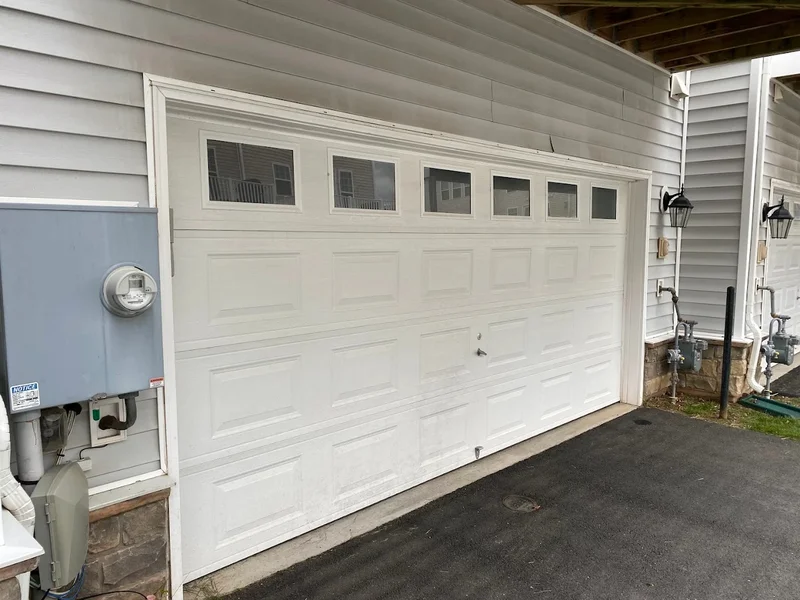
If your garage door opens without a hitch but refuses to close — or starts down and then reverses back up — you are almost always looking at one of a handful of fixable causes. Nine times out of ten it is the safety sensors. This guide walks through every reason a door will not close, what you can safely check yourself, and when to call for sensor repair or an off-track fix.
A door that won't close leaves your home wide open — do not ignore it
An open garage is an open invitation, and if yours will not close you may be leaving the house exposed every night. The good news is that most no-close problems are quick, inexpensive fixes. Work through the causes below, and if the door still will not seal, treat it as urgent and call for same-day service.
Start Here: It Is Almost Always the Safety Sensors
Since the early 1990s, federal law (UL 325) has required every garage door opener to have two photo-eye sensors near the bottom of the tracks. They shoot an invisible beam across the opening. If anything breaks that beam — or if the opener only thinks something did — it refuses to close as a safety measure, reversing so it cannot crush a child, pet, or car. That is why a door will happily open but not close: opening is never blocked by the sensors, only closing. If your door reverses or clicks and stops on the way down, check the sensors first.
Common Reasons Your Garage Door Won't Close
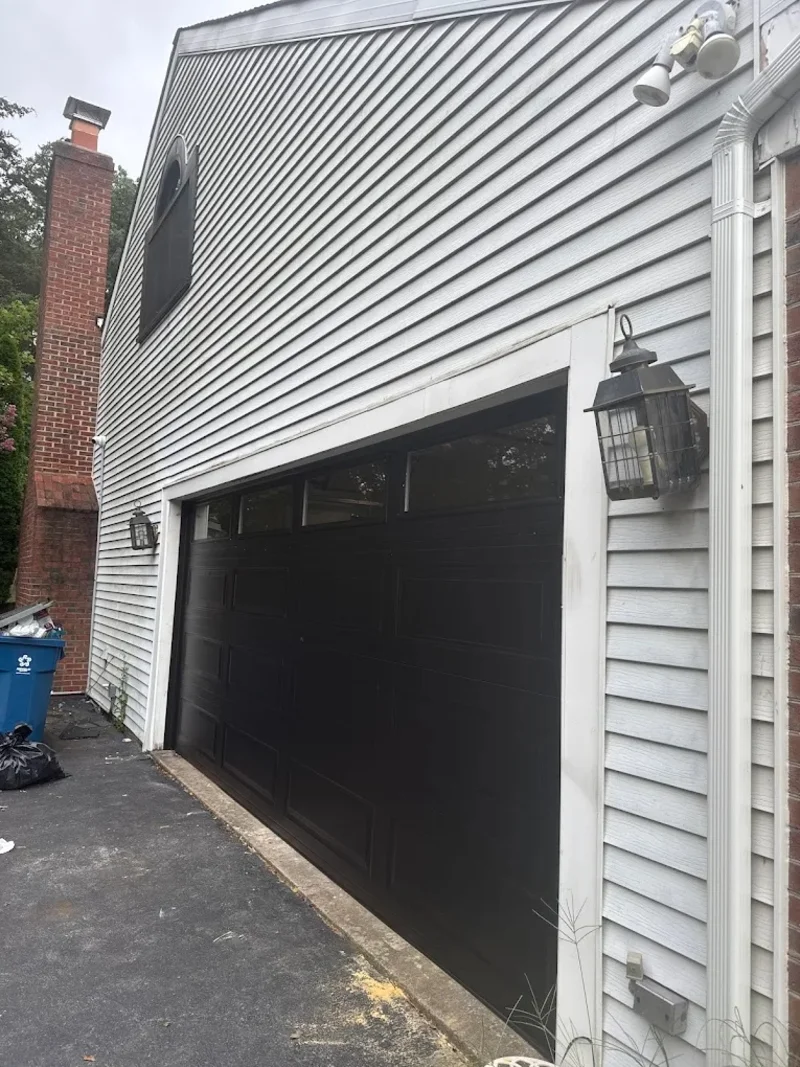
Misaligned Photo-Eye Sensors
The most common cause by far. A bumped bracket, a stored bike leaning on one, or a slow droop over time knocks the two sensors out of alignment so their beams no longer meet. Usually one sensor light will blink or go dark. Gently nudging them back until both lights glow steady fixes most no-close doors. Our sensor repair guide covers alignment in detail.
Dirty or Sun-Blinded Sensor Lenses
Dust, cobwebs, and grime on the little lenses can scatter the beam enough to trip the safety. Direct afternoon sun hitting a lens can do the same thing, washing out the beam so the opener thinks it is broken. A quick wipe with a soft cloth, and a small sun shield if glare is the issue, often solves it.
Something Blocking the Beam
It sounds obvious, but a trash can, a coiled hose, a broom, or even a pile of leaves sitting in the sensor’s line of sight will stop the door cold. Scan the full width of the opening at ankle height and clear anything near the tracks.
Damaged or Loose Sensor Wiring
The thin wires running from each sensor back to the opener can be nicked by a weed trimmer, chewed by rodents, or simply work loose at the terminal. A staple pinching the wire is a classic culprit. If the lenses are clean and aligned but a light still will not come on, the wiring is the likely suspect and is worth a professional look.
The Close-Limit / Travel Setting Is Off
Every opener has a close-limit setting that tells it how far to travel. If it is set too far, the door hits the floor, thinks it has struck an object, and reverses. If your sensors are perfect but the door still bounces back up just as it touches down, the limit screw or the travel setting usually needs a small adjustment.
A Track Obstruction or Off-Track Door
If the door binds partway down, catches at the same spot, or looks crooked, the problem may be mechanical rather than electronic — a bent track, a worn roller, or a door that has slipped off its rail. In that case, see our off-track door repair rather than chasing the sensors.
How to Get Your Garage Door Closing Again
Work through these steps in order. Each one rules out a cause, and most people solve it before they reach the end.
Check the Sensor Lights
Look at both sensors near the floor. One is usually the sending eye (steady light) and one the receiving eye. If either light is off or blinking, the beam is not connecting. That tells you the problem is alignment, dirt, an obstruction, or wiring — not the opener itself.
Realign the Sensors
Loosen the wing nut on the blinking sensor, aim it directly at its partner, and tighten it when both lights glow steady and solid. They should sit at the same height, usually no more than six inches off the floor. This single step fixes the majority of no-close doors.
Clean the Lenses and Clear the Path
Wipe both lenses with a soft, dry cloth, sweep the track area, and remove anything sitting in the doorway. If afternoon sun is hitting a lens, a small piece of cardboard as a shade can confirm glare is the cause.
Test the Close-Limit and Try Again
With the sensors solid and the path clear, run the door. If it still reverses right as it meets the floor, the close-limit needs a small adjustment on the opener — a job we can do in minutes if you would rather not experiment with the settings.
Still won't close after all that? We fix it same-day.
When to Call a Professional
Some no-close causes are quick DIY wins — realigning a sensor or clearing an obstruction. Others are not: damaged wiring, a failing logic board, a mis-set limit that keeps drifting, or a mechanical bind on the track. If you have cleaned, aligned, and cleared everything and the door still will not close, or if it is binding on the way down, that is the point to call in a technician before you force it and cause damage.
Signs It Is Time for a Pro
- The door still opens randomly after all transmitters are disconnected
- The behavior started immediately after a power outage or electrical storm
- The opener is more than 10 years old and has never been serviced
- The opener makes clicking or cycling sounds when no one activated it
- The door opens at a specific time of day consistently — suggesting a timer or program conflict in the logic board
What Pasadena Homeowners Should Know
Two things make no-close problems especially common around Pasadena. First, our bright, low afternoon sun — west-facing garages get direct glare on the sensors for hours, which is a frequent, sneaky cause of doors that will not close in the late afternoon but work fine in the morning. Second, Pasadena has a lot of older homes with older openers whose sensors, wiring, and limit switches are simply worn. If your opener is more than fifteen years old and the trouble keeps returning, an opener replacement with modern, reliable sensors may be the smarter long-term fix.
If the problem only happens at a certain time of day, note when — it is a strong clue that sun glare is to blame.
Quick Tips for Pasadena Homeowners
Tip 1
Keep both sensors mounted low and level, no more than six inches off the floor, so a small misalignment does not break the beam.
Tip 2
If your west-facing garage will not close in the afternoon but works in the morning, suspect sun glare and add a small shade over the receiving lens.
Tip 3
Never hold the wall button down to force a door closed past the sensors — you are disabling a safety system that exists to stop the door crushing something.
Do not run the opener over and over hoping it will catch. Repeated forcing can strip the gears or burn out the motor.
Never DIY: Springs, Cables, and Forced Closing
If a no-close problem turns out to be mechanical — a broken spring or cable, or a door off its track — leave it to a professional. Those parts store enormous energy and cause serious injuries every year. And never defeat the sensors to force a door shut; the safety system is the one part you never want to bypass.
Get an Honest, Flat-Rate Quote in Pasadena
Licensed, insured, and CSLB-verified, Garage Door Pros fixes no-close doors across Pasadena and the San Gabriel Valley, usually the same day. Whether it is a five-minute sensor alignment or a worn opener, you get a clear, flat-rate price before we start.
Common Questions About a Garage Door That Won't Close
Why does my garage door open but not close?
Because closing is the only direction the safety sensors block. Opening is never stopped by the photo-eyes, so a door with a sensor, wiring, or limit problem will open normally but refuse to close. Start by checking that both sensor lights are steady.
Why does my garage door reverse before it hits the ground?
That is the safety system doing its job. The opener thinks the beam is broken or that the door has hit an object, so it reverses to avoid crushing anything. Realign and clean the sensors, clear the path, and if it still reverses right at the floor, adjust the close-limit.
My garage door sensor light is blinking — what does that mean?
A blinking sensor light almost always means the two photo-eyes are out of alignment or the beam is blocked. Nudge the blinking sensor until both lights glow steady and solid, and make sure nothing is sitting in the doorway.
Can sunlight stop my garage door from closing?
Yes. Direct afternoon sun hitting the receiving lens can wash out the beam and stop the door from closing. It is a common cause in west-facing Pasadena garages. A small shade over the lens usually fixes it.
Should I hold the button to force my garage door closed?
You can override the sensors by holding the wall button, but you should not make a habit of it — it disables the safety that stops the door on a child, pet, or car. If you must hold the button to close it, something is wrong and should be repaired.
How much does it cost to fix a garage door that won't close?
It depends on the cause. A sensor realignment or cleaning is a low-cost, quick visit. Damaged wiring, a limit adjustment, or a track repair costs a bit more, and a full opener replacement more still. We give you a flat-rate price up front, so you know before we begin.
Garage Door Won't Close? Stop Guessing — We'll Fix It Today.
A door that will not close is telling you something, and it is leaving your home exposed until you sort it out. Garage Door Pros diagnoses and fixes no-close doors across Pasadena the same day, from a quick sensor alignment to a worn-out opener. One call and it is handled.