
Garage Door Problems
How to Fix a Noisy Garage Door in Pasadena
- Updated May 2026
- ~11 Min read
- Pasadena, CA
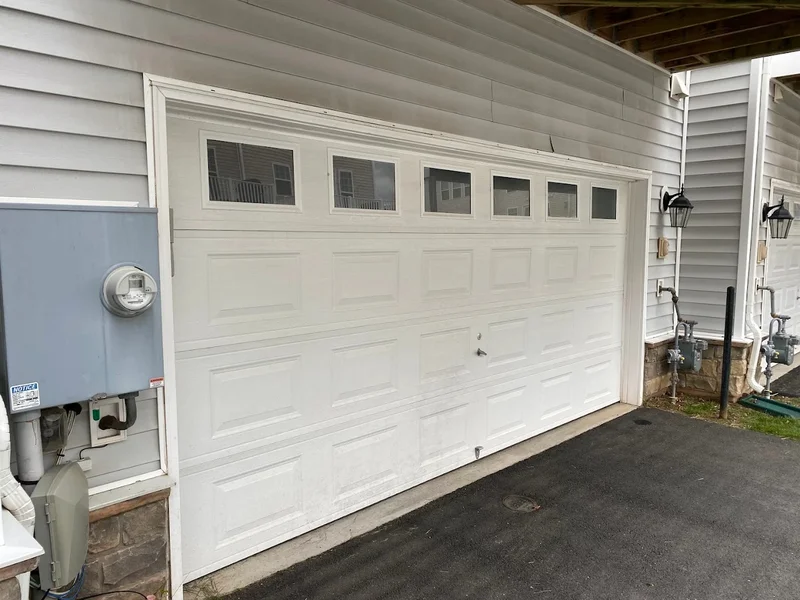
Grinding, squeaking, rattling, banging — a noisy garage door is annoying, and it is also your door telling you something. Most of the time it is a cheap fix like lubrication or worn rollers. Occasionally it is a warning of something more serious. This guide decodes each type of noise, shows you what to fix yourself, and explains when a professional tune-up is the smarter call.
A noisy door is usually a cheap fix — but sometimes it's a warning
The trick is knowing which noise means grab-the-grease and which means call-a-pro. A squeak is almost always harmless. A loud bang is not. Work through the sounds below to figure out which one you are hearing.
What the Noise Is Telling You
Your garage door is the largest moving object in your home, riding on rollers, hinges, springs, and cables that all wear over time. When those parts get dry, loose, or worn, they announce it. The type of sound is a surprisingly accurate diagnosis — grinding, squeaking, rattling, and banging each point to a different culprit.
What Different Garage Door Noises Mean
Grinding or Scraping
Grinding usually means worn rollers dragging in the track, or metal rubbing metal where the bearings have failed. If new lubrication does not quiet it, the rollers likely need replacing. Grinding can also mean the door is rubbing a bent track.
Squeaking or Squealing
The most common and most harmless noise. Dry rollers and hinges squeak, and a little of the right lubricant almost always silences them. If your door squeaks, start with a lube job before anything else.
Rattling or Vibrating
Rattling is the sound of loose hardware — nuts, bolts, hinges, and track brackets that have worked themselves loose from thousands of cycles. A wrench and a socket set to snug everything down usually fixes it.
Banging or Popping
This one gets your attention, and it should. A loud bang can be a torsion spring snapping, or door sections popping as they flex on a door that is out of balance. If you hear a firecracker-like bang, stop using the door and have it checked.
Rumbling or Thundering
A deep rumble as the door moves points to badly worn rollers or a door that has fallen out of balance, forcing the opener to fight it. Both are worth a professional look before they strain the opener further.
Clicking, Buzzing, or Humming
These usually come from the opener rather than the door — a straining motor, a worn gear, or an electrical issue. If the door itself moves quietly but the opener buzzes or hums, the motor unit is the suspect.
How to Quiet a Noisy Garage Door
Work through these in order. Most doors go quiet after the first two steps.
Tighten All the Hardware
With the door down, run a socket and wrench over every bolt, nut, hinge, and bracket — snug, not overtightened. This alone cures most rattles. Do not touch the bottom-bracket bolts near the cables, which are under spring tension.
Lubricate the Right Parts
Apply a garage-door-specific white lithium or silicone spray to the rollers, hinges, springs, and bearings. Wipe off the excess. Do not use WD-40 — it is a degreaser, not a lubricant, and it makes the problem worse a few weeks later. Skip the tracks; those stay clean and dry.
Inspect and Replace Worn Rollers
If tightening and lubricating do not quiet a grind or rumble, the rollers are worn out. Swapping tired steel or builder-grade plastic rollers for quiet nylon rollers is the single best noise upgrade. See our roller replacement service.
Test the Balance or Book a Tune-Up
Pull the release cord and lift the door halfway by hand. If it will not hold or feels heavy, it is out of balance and the springs need adjusting — a pro job. A yearly maintenance tune-up covers all of this and keeps the door quiet for good.
Still noisy after lubing? It's probably the rollers. We can help.
When to Call a Professional
Lubrication and tightening are safe DIY jobs. But a loud bang, a door that is heavy or off-balance, a grinding that will not quit, or anything involving the springs and cables is professional territory. Those parts are under high tension, and guessing with them is how people get hurt. If the noise persists after a lube and a tighten, it is time to call.
Noises That Mean Call a Pro Now
- The door still opens randomly after all transmitters are disconnected
- The behavior started immediately after a power outage or electrical storm
- The opener is more than 10 years old and has never been serviced
- The opener makes clicking or cycling sounds when no one activated it
- The door opens at a specific time of day consistently — suggesting a timer or program conflict in the logic board
What Pasadena Homeowners Should Know
Two local factors make Pasadena doors noisier than average. First, our dust and, in the foothills, wildfire ash work into the rollers and bearings and accelerate wear — which is why foothill homes in areas like Altadena often need roller replacement sooner. Second, a lot of Pasadena homes still have the thin builder-grade plastic rollers that get loud within a few years. Upgrading to sealed nylon rollers is the fix that makes the biggest difference.
If your door has gotten louder gradually, it is wear. If it went from quiet to loud suddenly, suspect a broken part and have it checked.
Quick Tips for Pasadena Homeowners
Tip 1
Use white lithium or silicone garage-door lubricant, never WD-40, which is a degreaser that makes squeaks come back worse.
Tip 2
Lubricate and tighten the hardware about twice a year — more often in dusty foothill areas — to keep the door quiet.
Tip 3
When rollers wear out, upgrade to quiet sealed nylon rollers instead of replacing like-for-like plastic ones.
If you ever hear a loud bang, stop using the door — that sound is often a spring snapping.
Never DIY: Springs, Cables, and Balance Adjustments
If the noise traces back to the springs, cables, or door balance, stop there. Torsion springs store enormous energy and cause serious injuries when handled without the right tools and training. Tightening and lubricating are fine to DIY; anything under tension is a job for a licensed technician.
Get a Quiet Door with an Honest Tune-Up in Pasadena
Licensed, insured, and CSLB-verified, Garage Door Pros quiets noisy doors across Pasadena and the San Gabriel Valley. Whether it is a quick tune-up or a set of quiet nylon rollers, you get a flat-rate price before we start.
Common Questions About Noisy Garage Doors
How do I stop my garage door from being so noisy?
Start with lubrication. A garage-door-specific white lithium or silicone spray on the rollers, hinges, and springs silences most squeaks. If a grinding or rumbling remains after lubing, the rollers are usually worn and need replacing.
Can I use WD-40 on my garage door?
No. WD-40 is a degreaser, not a lubricant. It strips away existing grease and the squeak returns worse within weeks. Use a dedicated white lithium or silicone garage-door lubricant instead.
What does a grinding noise from my garage door mean?
Grinding is usually worn rollers dragging in the track or failed bearings, and sometimes a bent track. If fresh lubrication does not fix it, the rollers most likely need to be replaced.
Why did my garage door make a loud bang?
A loud bang is often a torsion spring snapping, or door sections popping on an unbalanced door. Either way, stop using the door and have it inspected before you operate it again.
Do new rollers make a garage door quieter?
Yes, dramatically. Worn steel or plastic rollers are one of the biggest noise sources, and swapping them for sealed nylon rollers is the single most effective way to quiet a garage door.
How often should I lubricate my garage door?
Twice a year is a good rule for most homes, and more often in dusty or foothill areas of Pasadena where grit builds up faster. A yearly professional tune-up covers lubrication, tightening, and a balance check.
Tired of a Noisy Garage Door? Let's Quiet It Down.
A noisy door does not have to be part of life. Garage Door Pros tunes up, lubricates, and re-rollers noisy doors across Pasadena, often the same day, for a flat, honest price. Enjoy a door that opens quietly again.